

Hysteroscopic Surgeries
A type of minimally invasive surgery is hysteroscopy. A tiny telescope (hysteroscope) is inserted into the uterus through the cervix by the surgeon. The surgeon can view the uterine cavity on a television monitor thanks to the hysteroscope. Next, the uterine cavity is examined for any anomalies. The surgeon checks for any indication of intrauterine pathology (fibroids or polyps) as well as the uterine lining and form. Additionally, the surgeon makes an effort to see the fallopian tube apertures (tubal ostia).
Hysteroscopy is a minimally invasive surgical procedure that allows doctors to examine the inside of the uterus with precision and clarity. During the procedure, a thin, telescope-like instrument called a hysteroscope is gently inserted through the cervix into the uterine cavity. The hysteroscope is equipped with a light and camera, which transmits real-time images to a monitor, enabling the surgeon to clearly visualize the uterine cavity without the need for any external incisions.
Using hysteroscopy, the surgeon carefully evaluates the uterine lining, shape, and overall structure to identify any abnormalities. This includes checking for intrauterine conditions such as fibroids or polyps that may affect menstrual health or fertility. The fallopian tube openings are also assessed, allowing for accurate Diagnosis and effective Treatment.

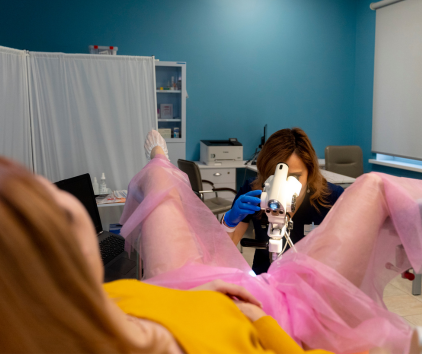
In order to examine the uterine lining and search for intrauterine pathology like fibroids or polyps that might be causing irregular or heavy monthly bleeding, many gynaecologists will utilise the hysteroscope. Women who are having trouble getting pregnant are also given a cavity exam. The following conditions are also candidates for hysteroscopy:
- Removal of endometrial or cervical polypss
- Removal of intrauterine adhesions (scarring)
- Biopsy of the endometrial lining
- Cannulation (opening) of the fallopian tubes
- Removal of fibroids
Our Commitment
At Athveka, we are committed to delivering safe, personalized, and compassionate maternity care, ensuring every mother feels supported, informed, and confident at every stage of her pregnancy.