

General Surgery
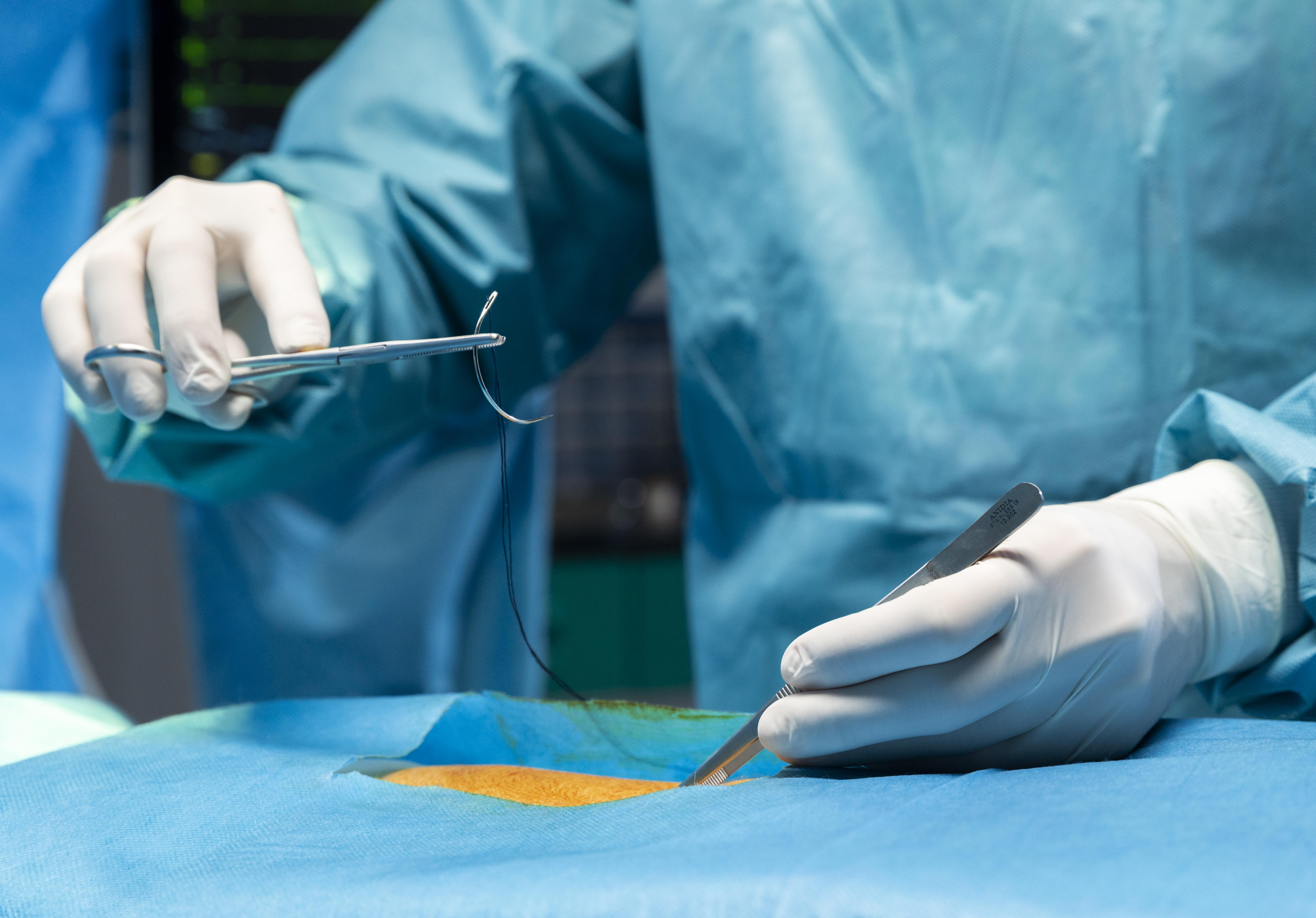
General surgery is the practise of using a variety of surgical techniques to identify and cure diseases or injuries that affect the body. The epidermis, the breasts, the belly, the peripheral vasculature, and the head and neck are just a few of the regions on which it focuses. The liver, stomach, pancreas, appendix, spleen, big and small bowels, gallbladder, bile ducts, and viscera of the abdomen are all examined during this research
General surgery is a medical specialty that focuses on the diagnosis, surgical treatment, and management of a wide range of diseases and injuries affecting different parts of the body. It involves both emergency and planned (elective) procedures, using modern surgical techniques to ensure safe and effective outcomes.
Areas of Focus in General Surgery
- Skin and soft tissues
- Abdomen and digestive tract
- Peripheral vascular system
- Weight and obesity management
- Hernias and abdominal wall

Organs Commonly Treated
General surgery primarily deals with conditions involving
- Liver
- Stomach
- Pancreas
- Small and large intestines
- Appendix
- Gallbladder and bile ducts
Our Approach
General surgery uses different surgical approaches depending on the patient’s condition, severity of disease, and overall health.